
Master the Spray: A Beginner’s Guide on How to Use a Pressure Washer
Is the exterior of your home looking a little tired? Over time, dirt, grime, and mildew can accumulate on driveways, decks, and siding, stealing your property’s curb appeal. While a garden hose might rinse away loose dust, it often lacks the power to tackle stubborn stains. This is where the raw power of a pressure washer comes into play.
Learning how to use a pressure washer can transform the look of your home in a single afternoon. However, these machines pack a punch and require careful handling to avoid damaging surfaces. If you are unsure about handling high-pressure equipment yourself, our professional Pressure Washing services are always available to help you restore your home’s shine safely.
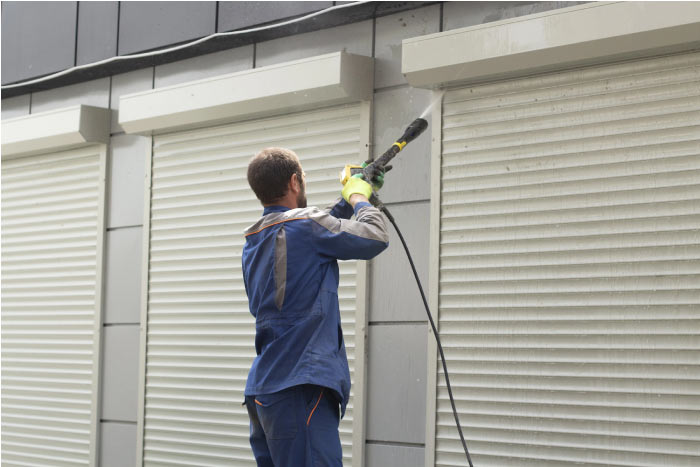
Step 1: Gear Up and Prep the Area
Before you even touch the trigger, safety must be your top priority. The pressurized water stream is powerful enough to cause injury. For a complete list of safety precautions, check the CDC’s guide on pressure washer safety. Always wear safety goggles to protect your eyes from flying debris and sturdy, closed-toe shoes to protect your feet. Long pants are also highly recommended to shield your legs.
Once you are dressed for the job, prepare your workspace. Clear the area of outdoor furniture, potted plants, and children’s toys. Cover delicate landscaping or nearby electrical outlets with waterproof tarps. This preparation ensures you have a clear path and prevents accidental damage to your belongings while you clean.
Step 2: Select the Right Nozzle
Pressure washers typically come with color-coded interchangeable nozzle tips. These tips control the angle and intensity of the water spray. Choosing the wrong tip is the most common mistake beginners make.
- Red (0 degrees): Extremely high pressure. Rarely used by homeowners as it can damage concrete and wood.
- Yellow (15 degrees): High pressure. Good for stripping paint or cleaning stains from durable concrete.
- Green (25 degrees): Medium pressure. Ideal for washing cars, decks, and siding.
- White (40 degrees): Low pressure. Perfect for fragile surfaces like windows or blinds.
- Black (Soap): The lowest pressure. Used specifically for applying detergents.
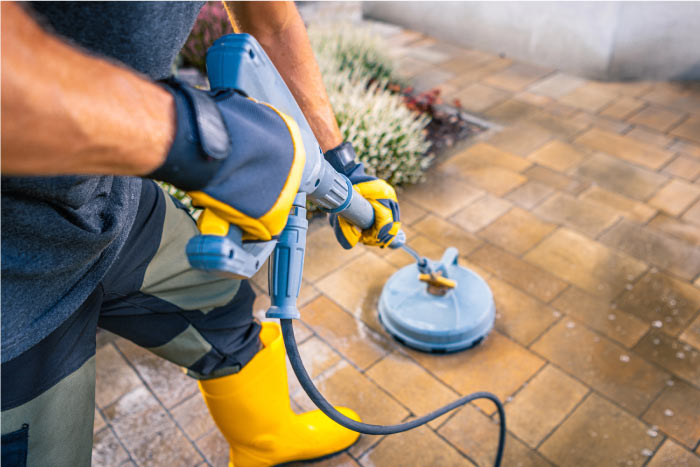
Step 3: Connect and Prime
Connect your garden hose to the pressure washer’s inlet and turn on the water spigot fully. It is crucial to squeeze the spray gun trigger before starting the engine (or turning on the electric motor). This releases trapped air and allows water to flow through the system.
Starting the machine with air in the line can damage the internal pump. Once you have a steady stream of water flowing from the gun, you are ready to power up the unit.
Step 4: Start Cleaning
Position yourself about two feet away from the surface you intend to clean. Engage the trigger and slowly move closer until you find the effective cleaning distance. Do not get too close, as high pressure can gouge wood or etch stone.
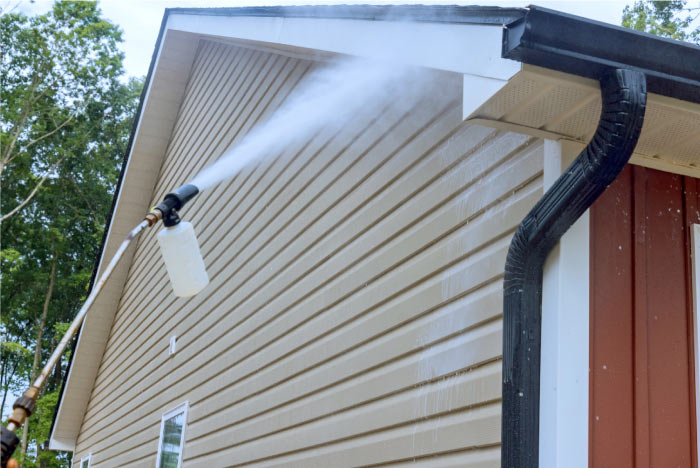
Use a sweeping motion, moving the spray back and forth. Work from the top down so that dirty water flows onto unwashed areas rather than streaking over your clean work. If you are cleaning siding, keep the wand angled downward to prevent water from being driven up under the panels.
A Note on Delicate Surfaces
While pressure washers are versatile, they aren’t safe for everything. Avoid using high pressure on roof shingles, as it can strip away protective granules. Instead of risking roof damage, consider looking into preventive measures like Gutter Guards to keep your drainage systems flowing smoothly without harsh blasting.
Similarly, be extremely cautious with glass. High pressure can shatter panes or break seals. For sparkling glass without the risk, our professional Window Washing services are a safer alternative.
Protect Your Solar Investment
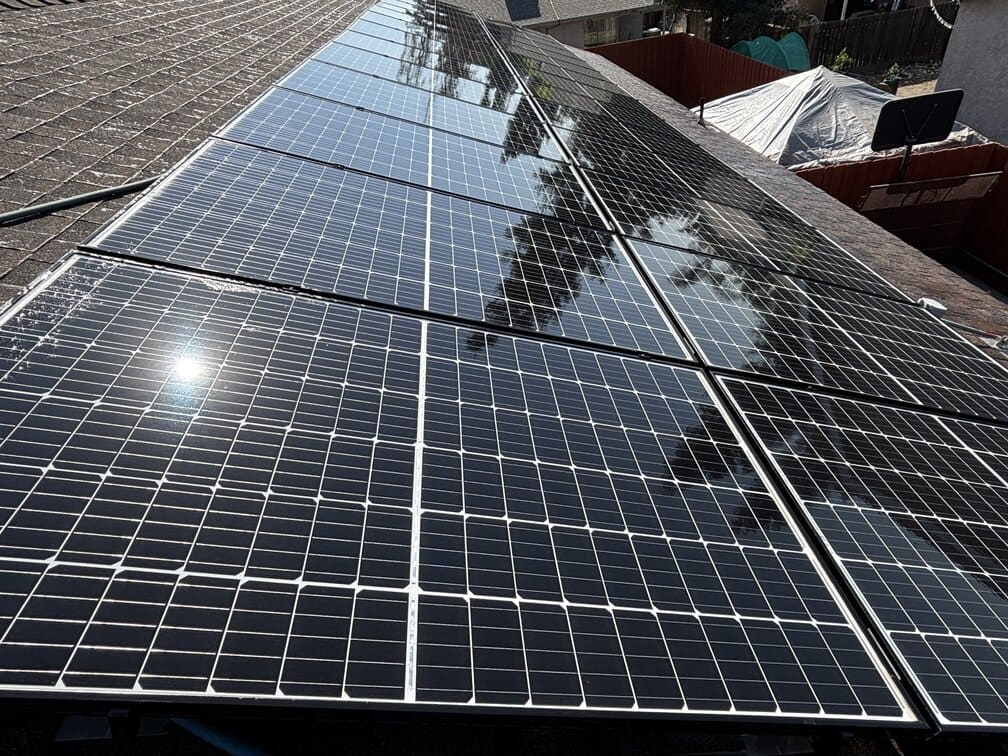
Many homeowners ask how to use a pressure washer to clean their solar panels. The short answer is: don’t. Standard pressure washing can cause micro-fractures in the glass and void your warranty.
Solar panels require a gentle touch and specific water chemistry. At Superior Solar Cleaners, we use specialized equipment that relies on purified water rather than brute force. If you want to ensure your system operates at peak efficiency, check out our dedicated Solar Panel Cleaning and Solar Panel Maintenance pages.
Superior Solar Cleaners: Your Visalia Cleaning Experts
While DIY projects can be rewarding, some jobs are best left to the experts to ensure safety and maximum results. At Superior Solar Cleaners, we have been serving the Visalia community since 2016. Our owner, Jesse Flores, founded the company to offer homeowners a way to protect their investments and save money.
We go beyond simple spraying. We utilize a specialized water filtration system that removes mineral deposits and oily residue, ensuring a spot-free finish that standard tap water cannot achieve. Whether you need Bird Proofing to protect your wiring or a deep clean for your solar array, we have the licensed and insured expertise you can trust.
Frequently Asked Questions (FAQs)
Can I use hot water in my pressure washer?
Most standard residential pressure washers are designed for cold water use only. Running hot water through a “cold water” pump can damage the seals and internal components. Always check your owner’s manual before connecting to a hot water source.
Will pressure washing remove oil stains from my driveway?
Water alone often isn’t enough for deep-set oil stains. You will likely need to apply a degreaser with the black soap nozzle first. Let the chemical sit for a few minutes (without drying) before blasting it away with a higher-pressure nozzle.
Can I damage concrete with a pressure washer?
Yes, you can. If you use a zero-degree nozzle or hold the wand too close to the surface, you can etch lines into the concrete or cause the top layer to flake off (spalling). Always keep the wand moving.
How often should I pressure wash my house?
Generally, washing your home’s exterior once a year is sufficient to prevent the buildup of mold and mildew. However, homes in humid climates or heavily wooded areas may require more frequent cleaning.
Is it safe to pressure wash my car?
Yes, but you must be careful. Use a low-pressure nozzle (like the white 40-degree tip) and stand back to avoid damaging the paint or stripping the wax. Avoid spraying directly at seals or into the engine bay.
